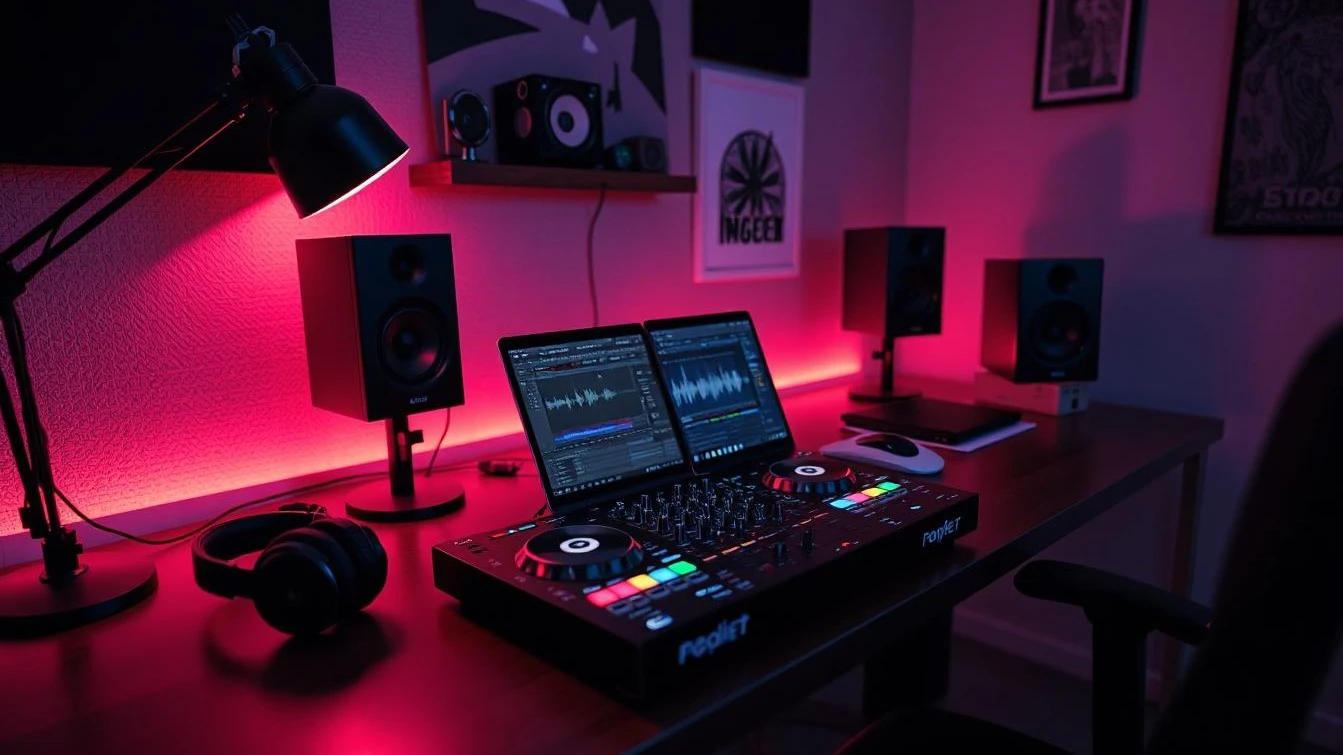
Smooth Music Mixing Tips Today

Music has become more than just background noise, it’s a powerful force that shapes emotions, drives energy, and defines unforgettable experiences across the global entertainment scene. When you listen to a seamless DJ set, what you’re really hearing is a carefully crafted journey, where every transition feels intentional and every beat connects effortlessly with the next.
In today’s competitive landscape, mastering smooth music mixing is the defining factor that separates average DJs from those who truly captivate their audience. It’s not just about playing tracks; it’s about controlling flow, maintaining energy, and creating a sonic experience that feels alive from start to finish.
Core Techniques For Smooth Music Mixing
Getting into the fundamentals, this is where everything begins to take shape. If you’ve ever wondered why some mixes feel effortless while others sound disjointed, the answer lies in mastering the core techniques that build a strong foundation.
In this stage, applying essential DJ mixing tips becomes crucial, especially when you’re learning how to balance technical precision with creative instinct. These techniques are not just theory, they’re practical tools that directly impact how your audience experiences your set.
Matching BPM Correctly
Matching BPM is the backbone of any great mix. When two tracks align perfectly in tempo, the transition becomes almost invisible, creating a continuous groove that keeps listeners engaged.
You don’t need to rely entirely on sync buttons. In fact, training your ear to manually adjust tempo gives you a deeper understanding of rhythm. Subtle pitch adjustments and careful listening allow you to blend tracks naturally, especially in live environments where conditions constantly change.
Adjusting EQ For Cleaner Sound
EQ is where clarity is either achieved or completely lost. When frequencies clash, especially in the low-end, it can ruin the entire mix.
A smarter approach is to treat EQ like a conversation between tracks. Lower the bass on the outgoing track while gradually introducing the bass from the incoming one. This creates space and avoids muddiness. As DJ and producer Mark Knight explains, “The difference between a good mix and a great one often comes down to how well you control your frequencies.”
Creating Seamless Track Transitions
Transitions are your signature. They define how your audience remembers your set.
Using phrasing techniques, aligning transitions with musical bars, ensures that changes feel natural. Whether you’re using fades, loops, or quick cuts, the goal is always continuity. A smooth transition keeps the energy intact and prevents distractions that could pull listeners out of the moment.
Improving Mixing Quality In Live Sessions
When you step into a live setting, everything changes. The environment becomes unpredictable, and your ability to adapt is tested in real time. This is where preparation meets instinct.
Understanding how to maintain control under pressure allows you to deliver consistent quality, no matter the situation. It’s not about perfection, it’s about responsiveness and awareness.
Controlling Volume Levels Consistently
Volume inconsistency is one of the fastest ways to lose audience engagement. A sudden spike or drop can break immersion instantly.
Keeping an eye on your gain levels and using your mixer’s meters ensures a balanced output. Each track should feel like part of the same journey, not a separate entity competing for attention.
Using Effects With Proper Timing
Effects can elevate your mix, or completely overwhelm it. The key lies in timing and restraint.
A well-placed echo or filter sweep can build anticipation before a drop, making the moment feel more impactful. But overusing effects reduces their power. As DJ legend Carl Cox once said, “It’s not about how many tricks you use, it’s about when you use them.”
Preventing Awkward Song Changes
Awkward transitions often happen when tracks don’t match in energy or key. Even if BPM is aligned, clashing tones can create discomfort.
Harmonic mixing helps solve this by ensuring compatibility between tracks. Paying attention to key relationships allows your mix to flow smoothly, keeping the audience locked into the vibe you’re creating.
Modern DJ Mixing Strategies Today
The DJ landscape is constantly evolving, and staying relevant means adapting to new trends while refining your core skills. Today’s audiences expect more than just good music, they expect an experience.
This is where modern strategies come into play, helping you stand out in a saturated global entertainment scene.
Mixing Across Multiple Genres
Genre boundaries are becoming less rigid. DJs are now blending house, hip-hop, techno, and even pop within a single set.
To do this effectively, you need to understand tempo ranges and stylistic elements. Smooth transitions between genres keep your set dynamic and unpredictable, which is exactly what modern audiences crave.
Building Emotional Energy Through Music
A great mix isn’t random, it’s structured. You’re guiding your audience through an emotional journey.
Starting with lower energy tracks and gradually building intensity creates anticipation. Strategic drops and breakdowns amplify the emotional impact, making your set memorable long after it ends.
Practicing Creative Transition Styles
Creativity is what sets you apart. Techniques like looping, sampling, and live remixing allow you to create something unique.
The more you experiment, the more confident you become in developing your own style. Over time, these creative choices become your signature, something audiences recognize instantly.
Master Smooth Music Mixing And Elevate Your Sound
At this point, everything connects. You’re not just mixing tracks, you’re crafting an experience that resonates with people on a deeper level. Consistency, practice, and attention to detail are what transform good DJs into unforgettable ones.
When you refine your approach and stay open to learning, your mixes naturally evolve. And as your sound improves, so does your ability to connect with any audience, anywhere.