DJ Techniques For Better Live Sets
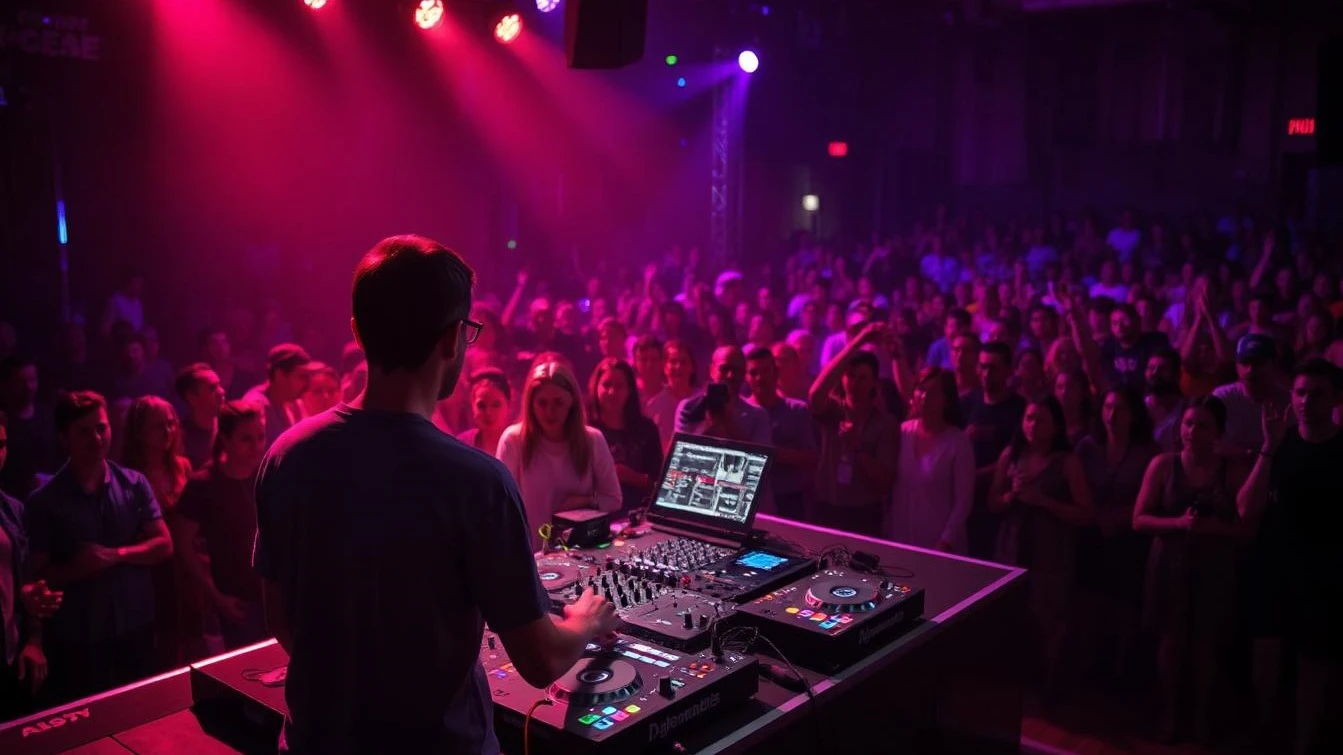
Stepping behind the decks is never just about playing music, it’s about crafting a moment people didn’t know they needed. A great DJ doesn’t simply mix tracks; they shape energy, guide emotions, and build a sonic journey that feels alive. If you’ve ever stood in a crowd and felt completely absorbed by the rhythm, you’ve already experienced what a well-executed set can do.
Understanding DJ techniques live sets is the real turning point for anyone serious about leveling up. It’s not only about technical precision, but also about how you translate that precision into something the audience can feel. When done right, every transition, drop, and silence becomes part of a bigger story that keeps people locked in from start to finish.
Essential DJ Skills For Live Performance
Before diving into advanced tricks, it’s important to ground yourself in the fundamentals that actually carry a live set. These core skills are what make everything else possible, acting as the invisible framework behind every smooth and engaging performance.
Mastering these basics also means understanding how to apply live DJ performance tips in real-time situations. It’s not about memorizing techniques, but about knowing when and why to use them, especially when the crowd’s energy starts shifting unexpectedly.
Beatmatching techniques for smooth transitions
Beatmatching is where everything begins. Even with modern tools, relying too heavily on automation can limit your flexibility. Training your ears to manually align beats gives you deeper control, allowing transitions to feel natural rather than forced.
When you truly understand tempo alignment, you gain the ability to blend tracks seamlessly, creating a continuous flow that keeps the audience engaged without interruption.
Reading crowd energy effectively
Every crowd tells a story, you just have to learn how to read it. Watch how people move, how they react to drops, and how their energy shifts over time. These subtle cues are your guide.
Adapting in real time is what separates a good DJ from a great one. Instead of sticking rigidly to a playlist, you begin to respond intuitively, shaping the set based on what the audience is giving back.
Timing drops and music flow
Timing isn’t just technical, it’s emotional. A perfectly timed drop can ignite a crowd, while a mistimed one can drain the energy instantly.
You’ll start to notice patterns in how anticipation builds. Learning to control that build-up, then releasing it at just the right moment, is what creates those unforgettable peaks in your set.
Advanced Mixing Methods For DJs
Once the fundamentals feel second nature, you can start exploring techniques that add depth and personality to your performance. This is where your unique style begins to take shape.
Advanced mixing isn’t about complexity for the sake of it. It’s about enhancing the experience without overwhelming the listener, keeping everything intentional and controlled.
Creative looping and sampling tricks
Looping opens up a new layer of creativity. Instead of letting a track play as-is, you can extend moments, remix sections live, or create transitions that feel completely original.
Sampling, when used thoughtfully, adds texture and surprise. It allows you to inject unexpected elements that keep the set fresh and engaging.
EQ balancing during live sets
EQ is one of the most powerful tools you have, yet it’s often overlooked. Proper EQ balancing ensures that tracks don’t clash, especially in the low frequencies where things can quickly become muddy.
By carefully adjusting highs, mids, and lows, you create space for each track to breathe, resulting in a cleaner and more professional sound.
Using effects without overmixing
Effects can elevate your set, or completely ruin it if overused. The key is subtlety. A touch of reverb or delay at the right moment can enhance emotion, but too much can distract from the music itself.
As DJ and producer Carl Cox once said, “It’s not about how many tricks you use, but how well you use the ones that matter.” That mindset keeps your set focused and impactful.
Building An Unforgettable DJ Experience
At this stage, it’s no longer just about mixing, it’s about storytelling. You’re creating an experience that people will remember long after the music stops.
The difference lies in how you connect each element into a cohesive journey, where every track feels like it belongs exactly where it is.
Creating smooth playlist progression
A strong set has direction. It builds, peaks, and resolves in a way that feels intentional.
Instead of jumping randomly between tracks, think about how each song leads into the next. This progression keeps the audience engaged and gives your set a sense of purpose.
Managing tempo changes naturally
Changing tempo can be tricky, but when done smoothly, it adds dynamic variation to your set.
Gradual adjustments help maintain flow, allowing the energy to shift without feeling abrupt. It’s all about guiding the audience rather than surprising them too suddenly.
Keeping audience engagement high
Engagement goes beyond music. Your presence, your movements, and how you interact with the crowd all play a role.
When people feel that connection, they become part of the experience rather than just spectators. That’s when a set truly comes alive.
Improve Your DJ Live Sets And Impress Every Crowd
At the end of the day, improving your DJ techniques live sets is about consistency and awareness. Every performance teaches you something new, what worked, what didn’t, and what you can refine next time.
You start to realize that the best sets aren’t perfect, they’re responsive. They evolve with the crowd, adapt to the moment, and leave space for spontaneity. As music curator Pete Tong once noted, “A DJ’s real skill is reading the room and reacting faster than the crowd realizes.” That awareness becomes your biggest advantage.
So the question is simple: are you just playing music, or are you creating an experience people won’t forget?